
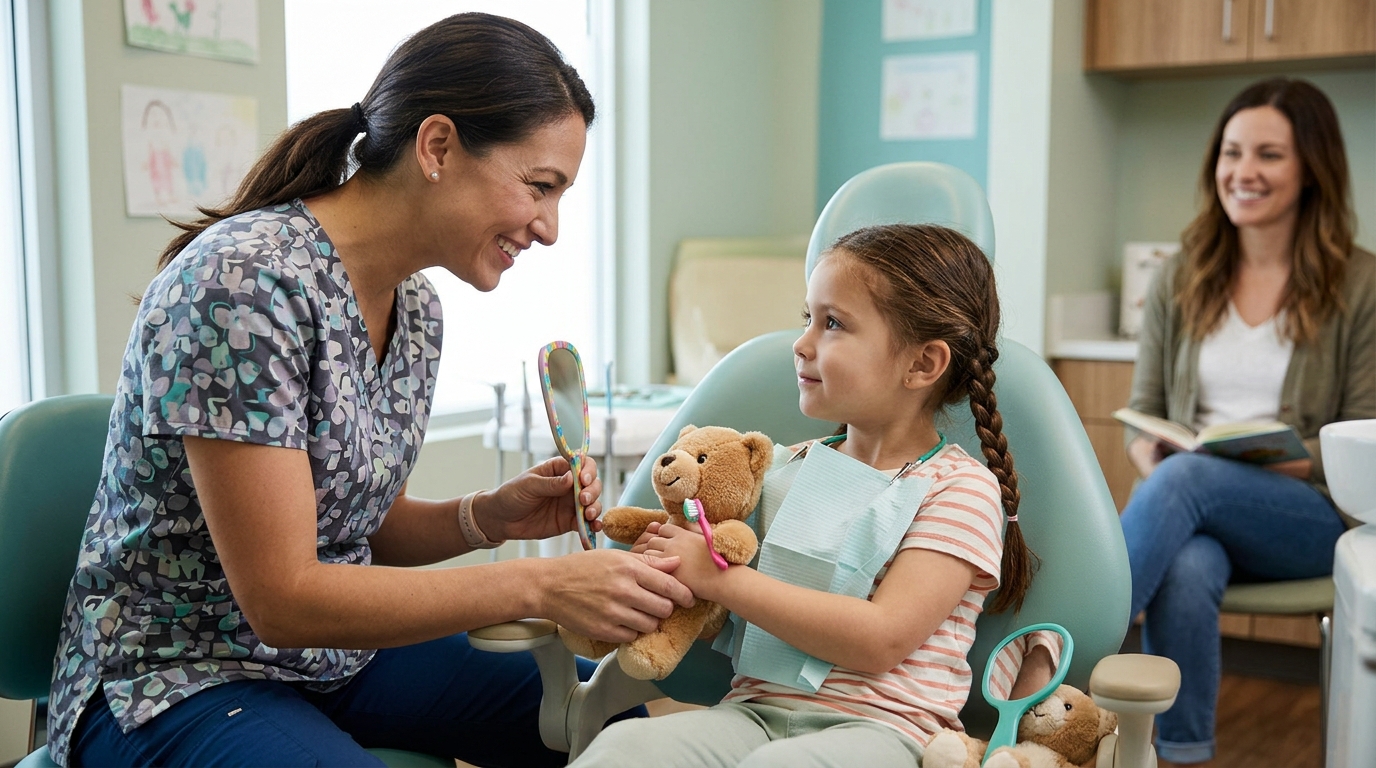
Dental anxiety is a common challenge for many families, but pediatric dentists are trained to manage fear with specific, evidence-based techniques. At Smileland Pediatric Dentistry, we prioritize creating a safe environment where children feel comfortable and in control. By understanding these strategies, parents can better support their child's positive experience in the dental chair.
1. Tell-Show-Do Technique
Explaining procedures in simple, non-threatening language reduces fear of the unknown. This method involves telling the child what will happen, showing them the instrument, and then performing the action. It helps demystify the dental visit and builds trust between the provider and the young patient.
2. Positive Reinforcement and Rewards
Encouraging cooperation with praise and small rewards creates a positive association with dental care. Dentists often use stickers, stamps, or verbal praise to acknowledge a child's bravery. This approach reinforces good behavior and makes the child more likely to return for future appointments without resistance.
3. Distraction Techniques
Engaging the child's senses with music, videos, or ceiling decorations diverts attention from the procedure. Many pediatric offices, including our locations in Malden and Westborough, use overhead screens or calming music to keep children relaxed. Distraction is particularly effective for younger children who have shorter attention spans.
4. Parental Presence and Guidance
Knowing how to support your child from the waiting area helps maintain a calm atmosphere. For children over age 4, we often recommend that parents remain in the waiting area to keep the clinical space focused and calm. We provide full updates after the visit, ensuring parents stay informed without inadvertently increasing the child's anxiety.
5. Nitrous Oxide (Laughing Gas)
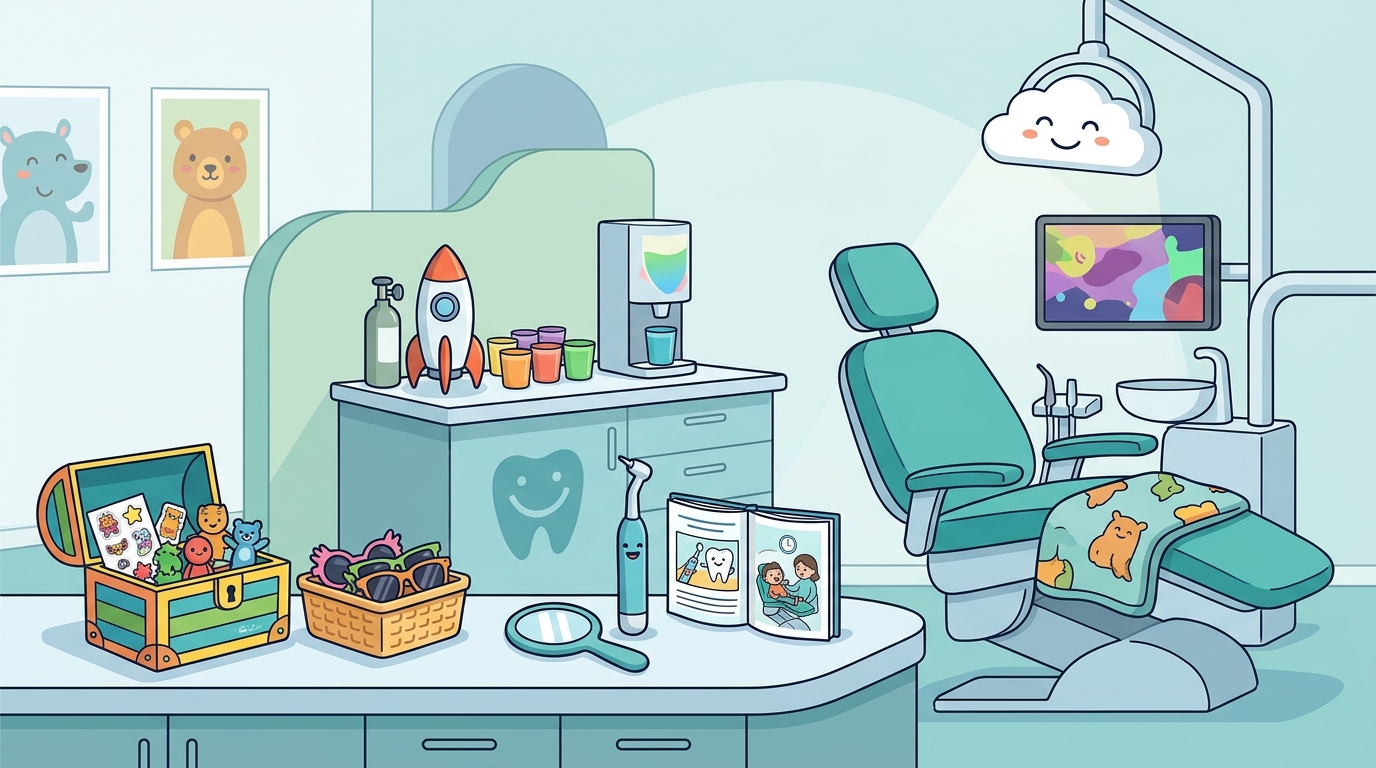
Inhalation sedation provides a mild, reversible calming effect for anxious patients. Nitrous oxide is a common option for children who are nervous but can still follow instructions. It helps reduce anxiety and allows the dental team to perform necessary care in a relaxed environment. The effects wear off quickly, and the child can usually go home the same day.
6. Oral Conscious Sedation
Oral sedatives can help moderate to highly anxious children feel drowsy and comfortable. This method involves taking a medication before the appointment to reduce fear and tension. It is suitable for children who may not respond well to other calming techniques. The specific medication and dosage are determined by the provider based on the child's needs.
7. General Anesthesia for Complex Cases
General anesthesia allows for comprehensive dental care in a single, safe session for children with severe anxiety or special needs. This is reserved for cases where other methods are not effective or when multiple procedures are required. Our specialists are trained to manage these complex cases safely, ensuring the child is completely unconscious and pain-free during the treatment.
Choosing the Right Strategy
The best approach depends on the child's age, level of anxiety, and specific dental needs. A combination of behavioral techniques and, if necessary, sedation options often provides the most effective solution. Your pediatric dentist will evaluate your child's comfort level and recommend the most appropriate strategy for a successful visit.
Frequently Asked Questions
Is nitrous oxide safe for children?
Yes, nitrous oxide is widely considered safe for children when administered by a trained professional. It is a mild sedative that helps reduce anxiety without causing deep sleep. The effects wear off quickly, and most children are ready to go home shortly after the procedure.
Can I stay in the room with my child?
For children over age 4, we recommend that parents remain in the waiting area to help keep the space calm and focused. We will fully update you after your child's visit. For younger children or those with special needs, we may encourage parental presence to provide comfort.
What if my child is extremely scared and refuses to sit in the chair?
In cases of severe anxiety, we may discuss sedation options such as oral sedatives or general anesthesia. These methods can help the child relax or sleep through the procedure. The decision is made on a case-by-case basis after a thorough evaluation of the child's medical and dental history.
Do you accept insurance for sedation procedures?
We accept most major dental insurance plans and are in-network with Delta Dental Premier, Blue Cross Blue Shield, and MetLife. Coverage for sedation varies by plan, so please contact our office or your insurance provider to confirm your specific benefits before your appointment.
How can I prepare my child for their first dental visit?
Use simple, positive words to describe the experience and avoid using scary terms like "shot" or "drill." Reading fun books about dental visits or playing "dentist" at home can also help. Schedule the visit when your child is rested and calm, and bring a favorite toy for extra comfort.
Visit Smileland Pediatric Dentistry
At Smileland Pediatric Dentistry, we are committed to making every dental visit a positive experience for your child. Our team in Malden and Westborough is trained to handle anxiety with compassion and expertise. To schedule an appointment or learn more about our calming strategies, visit our first visit page or contact our office directly.