
What to Know About Pediatric Dental Specialists Providing Anesthesia Care
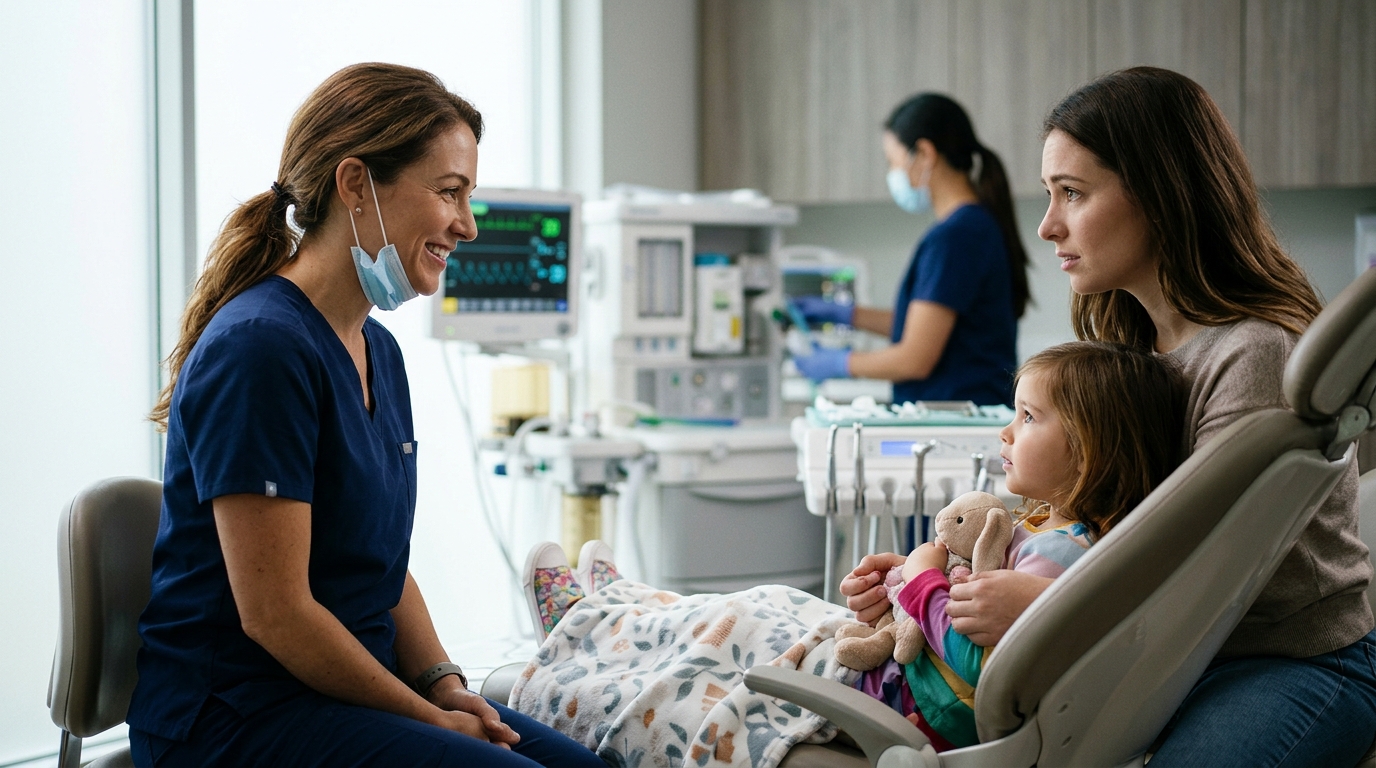
When a child requires dental treatment under sedation or general anesthesia, a board-certified pediatric dentist is the most qualified provider. These specialists undergo extensive postgraduate training in managing pediatric airways, behavior, and complex medical needs. At Smileland Pediatric Dentistry, our team is specifically trained to deliver safe, compassionate anesthesia care tailored to each child's unique developmental and medical profile.
The Scope of Pediatric Anesthesia Training
Pediatric dentistry is a two-year postgraduate specialty program that goes far beyond standard dental school. A pediatric dental specialist is a dentist who has completed this advanced training, focusing specifically on the oral health of infants, children, and adolescents. This education includes rigorous coursework in pediatric pharmacology, airway management, and the physiological differences between children and adults.
While general dentists may offer basic sedation, pediatric specialists are trained to handle the full spectrum of anesthesia. This includes nitrous oxide, oral conscious sedation, and general anesthesia. According to the American Academy of Pediatric Dentistry, these specialists are uniquely positioned to manage the behavioral and medical complexities that arise when treating young patients who may be fearful or unable to cooperate.
At Smileland, our specialists, including Dr. Amir Yavari, have completed advanced training at institutions like NYU Langone Dental Medicine. This background ensures that our team is prepared to handle everything from routine cleanings under sedation to complex oral surgeries requiring general anesthesia.
Safety Standards and Monitoring
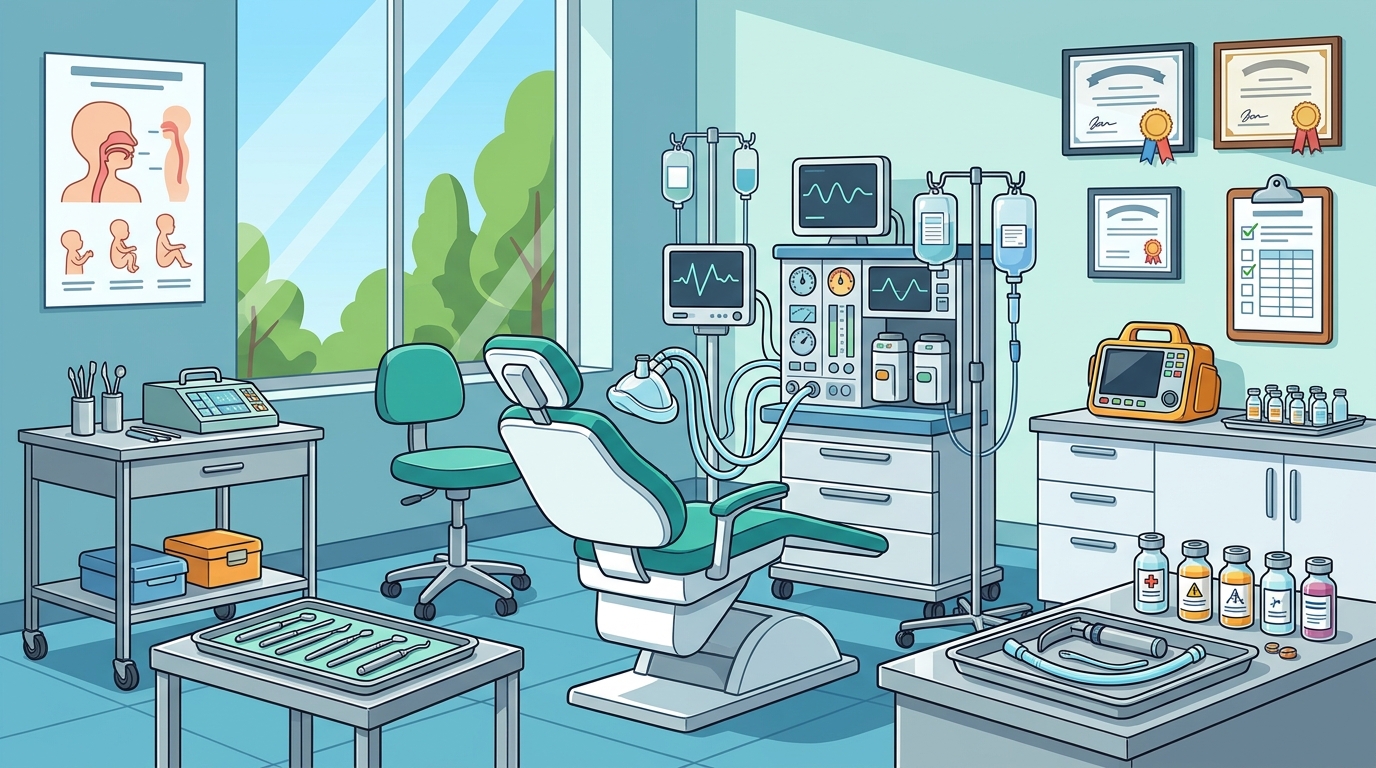
Safety is the primary concern when administering anesthesia to a child. Pediatric dental specialists are required to follow strict monitoring protocols established by national dental and medical organizations. These protocols dictate the use of specific equipment to track vital signs, such as heart rate, oxygen levels, and blood pressure, throughout the procedure.
Research published in the Journal of Oral and Maxillofacial Surgery indicates that clinician training and competency are critical factors in pediatric anesthesia safety. Specialists who have undergone specific training in pediatric anesthesia are better equipped to anticipate and manage potential complications. At Smileland, we adhere to these high standards, ensuring that our monitoring equipment and staff qualifications meet or exceed state and national guidelines.
For families, this means that choosing a specialist provides an added layer of security. The specialist's deep understanding of pediatric physiology allows for more precise dosing and monitoring, reducing the risks associated with anesthesia in a growing body.
When Is Anesthesia Recommended?
Anesthesia is not a one-size-fits-all solution; it is a tool used when it is the most appropriate option for a specific patient. A pediatric dental specialist will recommend sedation or general anesthesia after a thorough clinical evaluation. Common indications include extensive dental decay, the need for multiple extractions, or severe dental anxiety that prevents a child from receiving necessary care in a standard setting.
For children with special health care needs, such as autism or physical disabilities, anesthesia can be a vital tool to ensure they receive comprehensive care in a single, controlled visit. The American Academy of Pediatric Dentistry notes that for some children, non-pharmacologic behavior management is not a viable approach, making sedation a medically necessary component of their treatment plan.
At Smileland, we take a conservative approach. We first attempt to build trust and comfort through behavioral guidance. If a child remains unable to cooperate or if the scope of treatment is too extensive for a single awake visit, we discuss the benefits and risks of sedation with the parents. Our goal is to provide the safest path to a healthy smile.
The Smileland Approach to Anesthesia Care
Smileland Pediatric Dentistry is committed to providing a calm and child-friendly environment, even during complex procedures. Our offices in Malden and Westborough are designed to put children at ease, with staff who are trained to communicate with both the child and the parents. We believe that a positive experience, even under sedation, helps build a lifelong relationship with dental care.
Our team includes specialists with hospital privileges, which is a significant advantage for complex cases. This affiliation allows for a higher level of care and access to advanced medical support if needed. Dr. Yavari, our Clinical Director, has performed thousands of procedures under general anesthesia, bringing a wealth of experience to every patient interaction.
We also recognize that parents play a crucial role in their child's care. We encourage open communication, answering all questions about the anesthesia process, pre-procedure instructions, and post-operative care. Our goal is to ensure that families feel informed and supported at every step.
Key Takeaways
- A pediatric dental specialist is a dentist with two additional years of postgraduate training focused on children's oral health.
- Specialists are trained in a wider range of sedation options, including general anesthesia, compared to general dentists.
- Safety protocols for pediatric anesthesia are strict and involve continuous monitoring of vital signs.
- Anesthesia is recommended based on individual clinical needs, such as extensive decay or severe anxiety. according to Frontiers Pediatric dental
- Smileland Pediatric Dentistry offers specialized anesthesia care in Malden and Westborough, MA.
- Choosing a specialist with hospital privileges can provide an added layer of safety for complex cases.
Frequently Asked Questions
What is the difference between a pediatric dentist and a general dentist?
A pediatric dentist has completed a two-year specialty program after dental school, focusing specifically on the care of children. General dentists may treat children but do not have this specialized training in pediatric behavior, growth, and development. according to Pediatric Dental Care
Is general anesthesia safe for children?
When administered by a qualified specialist in a controlled setting, general anesthesia is considered safe. Pediatric specialists are trained to manage the unique physiological needs of children, and strict monitoring protocols are followed to ensure safety.
How long does a child stay under anesthesia?
The duration depends on the complexity of the treatment. Simple procedures may take under an hour, while extensive oral rehabilitation can take several hours. The specialist will provide an estimate based on the treatment plan. according to Pediatric Dental Surgery
Can my child eat before the procedure?
Usually, children must fast for a specific period before receiving sedation or general anesthesia to reduce the risk of aspiration. The specialist will provide detailed pre-procedure instructions regarding food and drink.
Does Smileland accept insurance for anesthesia procedures?
Smileland accepts most major dental insurance plans and MassHealth. However, coverage for sedation and general anesthesia varies by plan. We recommend contacting your insurance provider to confirm your specific benefits before scheduling.
Next Steps for Your Child's Care
Choosing the right provider for your child's dental needs is a significant decision. If you are considering sedation or general anesthesia for your child, it is essential to work with a board-certified pediatric dental specialist who has the training and experience to provide safe, compassionate care. At Smileland Pediatric Dentistry, we are dedicated to helping your child achieve a healthy, confident smile. To learn more about our services or to schedule a consultation, please today.