
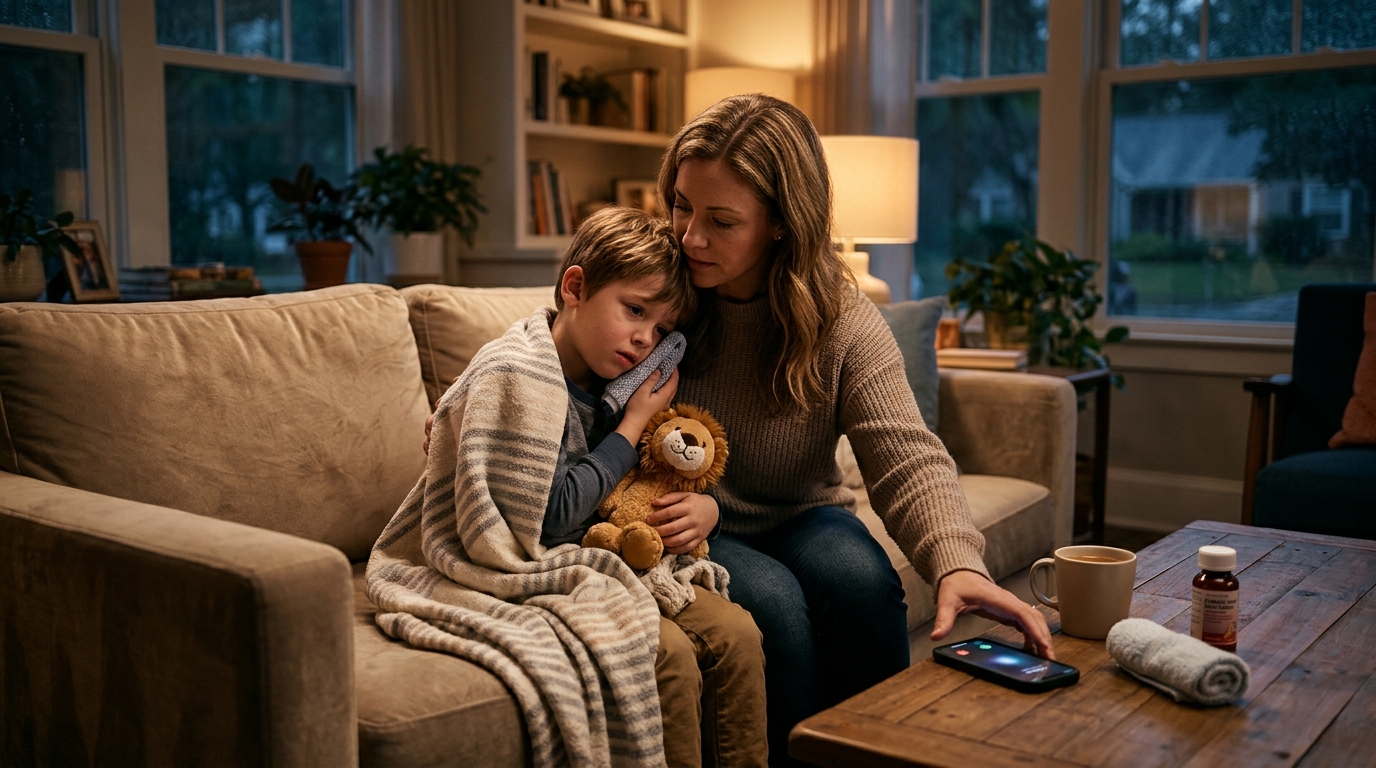
When a child suffers a dental injury outside of normal business hours, the immediate priority is to stabilize the situation and prevent further damage. Parents should assess the severity of the injury, manage pain with over-the-counter medication, and contact a pediatric dental office for specific after-hours instructions. For severe cases involving difficulty breathing or swallowing, immediate emergency room care is required.
Assessing the Severity of the Injury
The first step in any after-hours dental emergency is to determine if the situation requires immediate hospital care. A dental emergency is a condition that requires prompt attention to prevent permanent damage or systemic health issues. If your child is experiencing severe swelling, difficulty breathing, or trouble swallowing, call 911 or go to the nearest emergency room immediately. These symptoms indicate a potential airway compromise or severe infection that cannot be managed in a standard dental office.
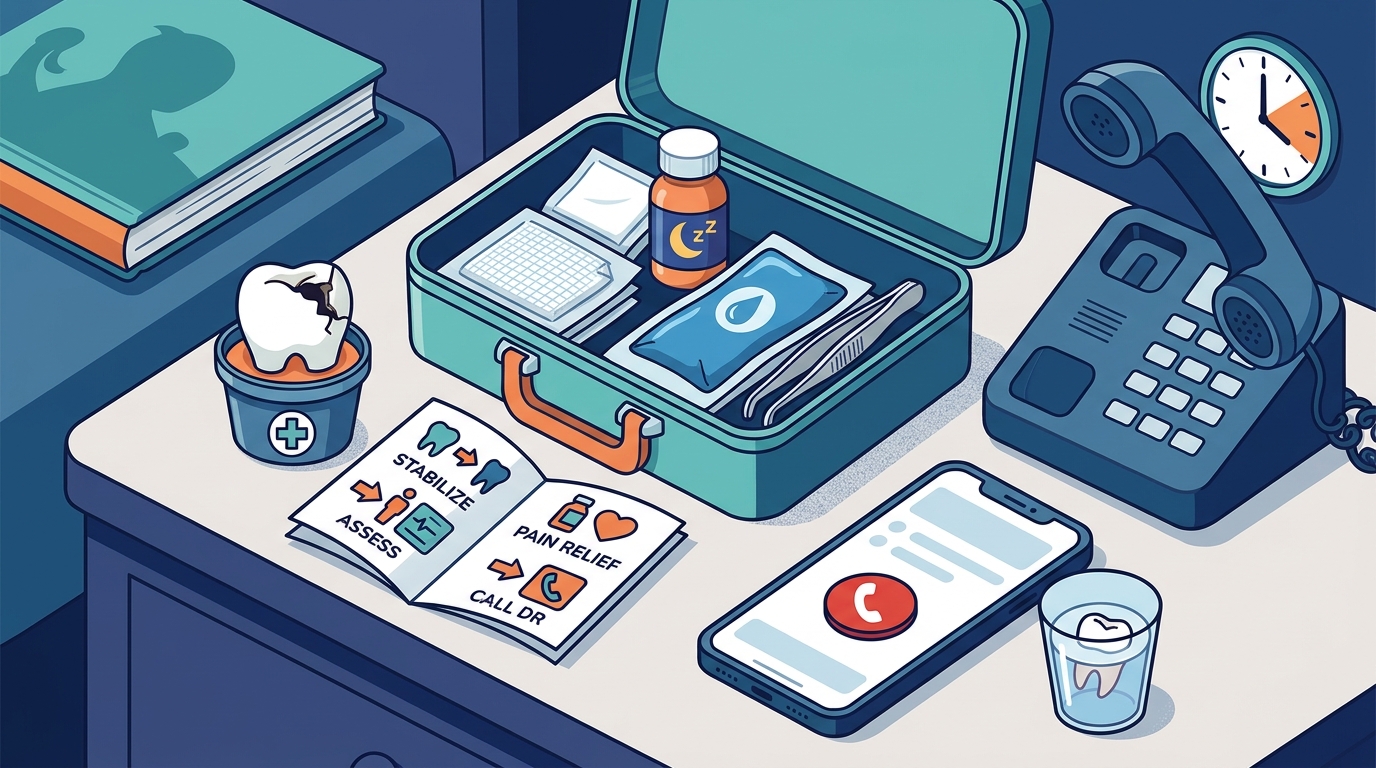
For less critical injuries, such as a chipped tooth or a mild toothache, the focus shifts to pain management and preservation. You can apply a cold compress to the outside of the cheek to reduce swelling. Avoid applying heat, as this can increase inflammation. If the tooth is completely knocked out, handle it by the crown, not the root, and try to reinsert it into the socket or store it in milk or saline solution. Time is a critical factor in saving a displaced tooth.
Managing Pain and Discomfort at Home
While waiting for professional guidance, managing your child's pain is essential to keep them calm and cooperative. Over-the-counter pain relievers, such as acetaminophen or ibuprofen, can be used according to the dosage instructions for your child's age and weight. Do not place aspirin directly on the gum or tooth, as this can cause chemical burns to the soft tissue. Keeping the child upright can also help reduce pressure and throbbing in the affected area.
It is important to avoid giving your child hard or crunchy foods that could further damage the injured tooth. Soft foods and cool liquids are generally safer options. If there is bleeding, apply gentle pressure with a clean gauze pad. These home care steps are temporary measures and do not replace the need for a professional dental evaluation once the office reopens.
Understanding After-Hours Office Protocols
Most pediatric dental practices, including Smileland Pediatric Dentistry, operate during standard business hours and do not provide 24/7 in-office emergency treatment. However, offices often have specific protocols for after-hours inquiries. When you call the office line after hours, you may reach an answering service or a voicemail system. It is crucial to leave a detailed message including your name, phone number, and a brief description of the injury. The clinical team will review these messages first thing in the morning and prioritize urgent cases for the earliest available appointment.
Some practices may provide a direct line to an on-call provider for life-threatening situations, but this is not universal. Parents should verify the specific after-hours contact information for their child's dental provider before an emergency occurs. At Smileland, our team is committed to responding to urgent concerns as quickly as possible, ensuring that children with severe injuries are seen promptly when the office opens.
Preparing for the Next Morning's Visit
Once the immediate crisis is managed, the next step is to prepare for the dental evaluation. When you call the office the next morning, be ready to describe the injury in detail. Mention when the injury occurred, what you have done so far, and any changes in symptoms. This information helps the dentist prepare the necessary tools and materials for the treatment. If you have stored a knocked-out tooth, bring it with you in its container.
It is also helpful to have your child's medical history and insurance information ready. While insurance coverage varies by plan, having this information on hand can streamline the administrative process. Remember that the goal of the next morning's visit is to assess the damage and create a treatment plan. The dentist will determine if the tooth can be saved, if a root canal is needed, or if extraction is the best option to prevent infection.
Preventing Future After-Hours Emergencies
While you cannot prevent every accident, you can reduce the risk of severe dental injuries through proactive measures. Sports mouthguards are a critical piece of equipment for children involved in contact sports or activities with a risk of facial impact. A custom-fitted mouthguard provides better protection than stock or boil-and-bite options. Regular dental checkups also play a vital role in prevention by identifying weak spots in the teeth and addressing decay before it becomes an emergency.
Education is another powerful tool. Teach your child about the importance of protecting their teeth during play. By establishing good habits and using protective gear, you can significantly lower the likelihood of needing after-hours emergency care. At Smileland, we emphasize prevention as a core part of our pediatric dental philosophy, helping families build a foundation for lifelong oral health.
Key Takeaways
- Assess the injury immediately; go to the ER for breathing or swallowing difficulties.
- Manage pain with appropriate over-the-counter medication and cold compresses.
- Preserve knocked-out teeth by storing them in milk or saline.
- Call your pediatric dental office after hours to leave a detailed message.
- Prepare for the next morning's visit by documenting the injury details.
- Use sports mouthguards to prevent future traumatic injuries.
Frequently Asked Questions
What should I do if my child knocks out a tooth at night?
Handle the tooth by the crown, not the root. Try to reinsert it into the socket and have your child bite down on gauze to hold it in place. If it cannot be reinserted, store it in milk or saline solution and contact your dental office first thing in the morning.
Can I use aspirin for my child's toothache?
No, do not place aspirin directly on the gum or tooth. This can cause chemical burns. Use age-appropriate over-the-counter pain relievers like acetaminophen or ibuprofen instead.
Does Smileland offer 24/7 emergency dental care?
Smileland operates during standard business hours. For after-hours emergencies, you should call the office to leave a message. The team will prioritize urgent cases for the next available appointment. For life-threatening symptoms, go to the emergency room.
How long can a knocked-out tooth survive outside the mouth?
The viability of a knocked-out tooth decreases over time. It is best to reinsert it immediately or store it in a suitable medium like milk. The sooner it is treated, the higher the chance of saving the tooth.
Should I go to the ER for a broken tooth?
Generally, a broken tooth without severe swelling or breathing issues does not require an ER visit. However, if there is significant facial swelling, uncontrolled bleeding, or difficulty breathing, seek emergency medical care immediately.
What information should I leave when calling the office after hours?
Include your name, phone number, the child's name, and a clear description of the injury. Mention when it happened and any steps you have already taken to manage the situation.
Conclusion
Navigating a dental emergency outside of office hours can be stressful, but knowing the right steps can make a significant difference. By assessing the severity, managing pain, and following proper preservation techniques, you can help protect your child's oral health until professional care is available. Smileland Pediatric Dentistry is dedicated to providing compassionate and expert care for children in Massachusetts. To ensure your child is ready for any situation, consider scheduling a routine checkup and discussing emergency protocols with our team. Book an appointment to get started.