

Many parents wait until all baby teeth fall out to consider orthodontic care, but early evaluation can identify issues before they become complex. Smileland Pediatric Dentistry recommends monitoring your child's dental development for specific warning signs that indicate a need for professional assessment. This checklist helps you recognize when it is time to schedule a consultation with a pediatric orthodontist.
1. Crowded or Overlapping Teeth
Crowding is a primary indicator that the jaw may not have enough space for permanent teeth. When baby teeth fall out, the permanent teeth underneath need room to erupt properly. If you notice that your child's front teeth are overlapping or shifting out of alignment, this is a clear sign that the dental arch is too small for the number of teeth present. Early intervention can help guide the growth of the jaw and create adequate space for the adult teeth to emerge in the correct position.
2. Delayed Loss of Baby Teeth
Retained baby teeth can block the path for permanent teeth, leading to misalignment. Typically, children lose their first baby teeth around age six. If a baby tooth remains in place long after its expected exfoliation date, the permanent tooth may erupt behind it or in an incorrect position. This condition, known as double teeth, requires professional evaluation to determine if the baby tooth needs to be removed to allow the permanent tooth to move into its proper place.
3. Thumb Sucking or Prolonged Pacifier Use
Habitual oral habits can alter the shape of the palate and the position of the front teeth. While thumb sucking and pacifier use are normal in infants, continuing these habits beyond age four can lead to an open bite or protruding front teeth. If your child continues to suck their thumb or use a pacifier past the age of four, it is wise to consult with a pediatric dentist to monitor the impact on their bite and jaw development.
4. Difficulty Chewing or Breathing Through the Mouth
Functional issues like mouth breathing or chewing difficulties often signal underlying orthodontic problems. Children who consistently breathe through their mouths may have airway obstructions or jaw discrepancies that affect facial growth. Similarly, if your child struggles to chew food or avoids certain textures, it may indicate a misaligned bite that makes it difficult to grind food effectively. These functional signs are important indicators that an orthodontic evaluation is needed to address both health and development.
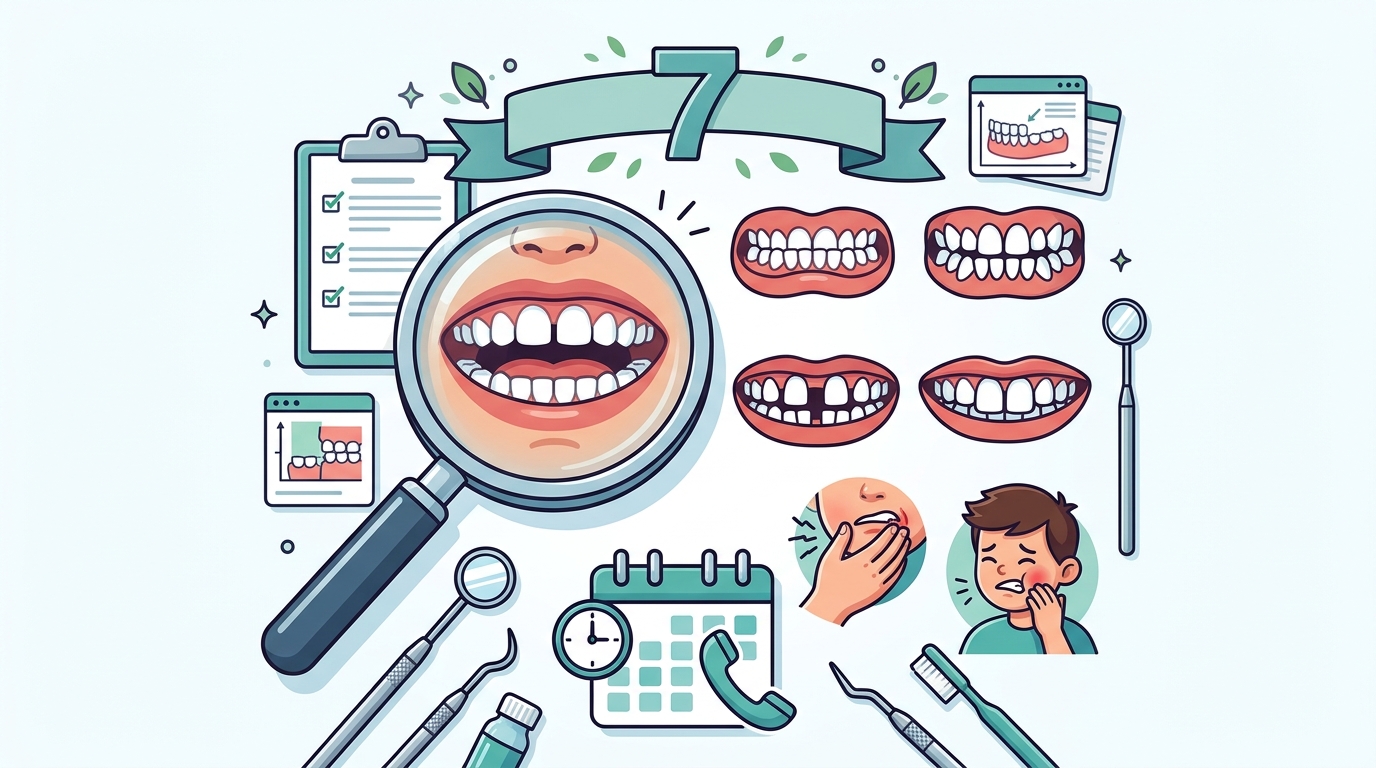
5. Protruding Front Teeth
Teeth that stick out significantly increase the risk of injury during play or sports. When the upper front teeth protrude beyond the lower teeth, they are more vulnerable to trauma from falls or collisions. This condition, often called an overbite, can also affect speech and self-esteem. An early orthodontic assessment can help determine if corrective treatment is necessary to protect the teeth and improve the child's smile.
6. Asymmetrical Jaw or Facial Structure
Jaw discrepancies can become more pronounced as a child grows, making early detection crucial. If you notice that your child's jaw appears uneven or that their face looks asymmetrical, this may indicate a skeletal issue that requires orthodontic intervention. Conditions such as crossbites, where the upper teeth bite inside the lower teeth, can affect the growth of the upper and lower jaws. Identifying these issues early allows for treatment that can guide jaw growth more effectively than waiting until adulthood.
7. Speech Difficulties
Orthodontic issues can contribute to speech impediments, such as lisps or difficulty pronouncing certain sounds. The position of the teeth and the structure of the jaw play a significant role in how children produce sounds. If your child has trouble articulating words or has a lisp that persists beyond the age of five, it may be related to their dental alignment. A pediatric dentist can evaluate whether orthodontic treatment could help improve speech clarity alongside correcting the bite.
Choosing the Right Time for Evaluation
The American Association of Orthodontists recommends that children have their first orthodontic evaluation by age seven. This timing allows the orthodontist to identify potential problems while the child is still growing. If you notice any of the signs listed above, do not wait for all baby teeth to fall out. Early evaluation can simplify future treatment and improve long-term outcomes. Explore our orthodontic services to learn more about how we help children achieve healthy, aligned smiles.
Frequently Asked Questions
At what age should a child first see an orthodontist?
It is generally recommended that children have their first orthodontic evaluation by age seven. This allows the specialist to monitor jaw growth and identify any potential issues early, even if some baby teeth are still present. according to Current Trends in
Do I need to wait until all baby teeth are gone to start braces?
No, you do not need to wait for all baby teeth to fall out. In fact, early orthodontic treatment can be beneficial while some baby teeth are still present, as it can guide the growth of the jaw and create space for permanent teeth.
Can thumb sucking cause permanent damage to my child's teeth?
Prolonged thumb sucking, especially beyond age four, can lead to changes in the shape of the palate and the position of the front teeth. While some effects may be reversible with early intervention, long-term habits can result in more significant orthodontic issues.
What is a crossbite and why is it important to treat it early?
A crossbite occurs when the upper teeth bite inside the lower teeth. Treating a crossbite early is important because it can affect the growth of the upper and lower jaws, potentially leading to facial asymmetry and uneven wear on the teeth.
Does Smileland Pediatric Dentistry offer orthodontic consultations?
Yes, Smileland Pediatric Dentistry offers orthodontic evaluations and treatment options for children and adolescents. Our team can assess your child's dental development and recommend the best course of action based on their specific needs.
Conclusion
Monitoring your child's dental development is a key part of maintaining their oral health. By recognizing the signs of potential orthodontic issues, you can take proactive steps to ensure your child achieves a healthy, functional smile. Schedule a consultation with Smileland Pediatric Dentistry to discuss your child's specific needs and explore available treatment options.