

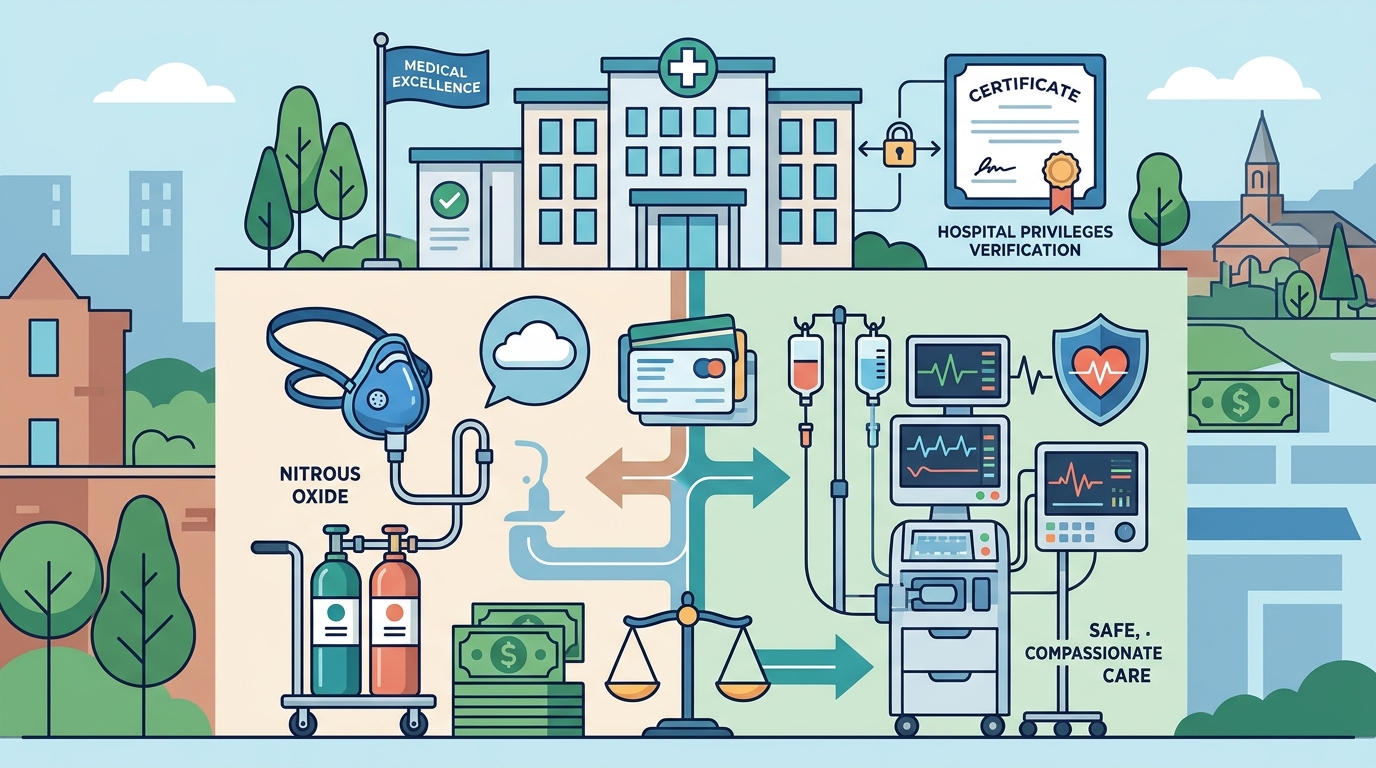
Parents seeking sedation for anxious children near Roslindale should prioritize practices with board-certified pediatric specialists and verified hospital privileges. Smileland Pediatric Dentistry offers a range of sedation options, from nitrous oxide to general anesthesia, tailored to individual clinical needs. This guide covers how to evaluate providers, verify credentials, understand costs, and navigate the local landscape for safe, compassionate care.
How to Choose a Provider
Choosing a pediatric sedation provider requires looking beyond marketing claims. A qualified practice must have specialists who are board-certified in pediatric dentistry and hold specific licenses for the sedation methods they offer. In Massachusetts, the ability to perform general anesthesia is a distinct credential that requires rigorous training and hospital privileges. Parents should verify that the provider has experience with children who have complex medical or surgical needs, as this indicates a higher level of competency in managing sedation risks.
Specialty Training and Experience
General dentists may offer sedation, but pediatric specialists undergo additional years of residency training focused on child development and behavior management. At Smileland, our clinical director, Dr. Amir Yavari, completed specialty training at NYU Langone Dental Medicine and has performed thousands of procedures under general anesthesia. This depth of experience is a critical differentiator when selecting a provider for a child with severe anxiety or special needs.
Hospital Privileges and Safety Standards
For general anesthesia, the provider must have privileges at a hospital or surgical center. This ensures that if a complication arises, the patient can be transferred to a higher level of care immediately. Practices that operate in office-based settings for IV sedation or general anesthesia must adhere to strict safety protocols, including the presence of emergency equipment and trained staff. Verifying these operational details is essential for ensuring a safe environment for your child.
Questions to Ask Before Committing
Before booking an appointment, parents should ask specific questions to gauge the provider's approach and safety standards. These questions help clarify the level of care and the provider's experience with similar cases.
Key Questions for the Provider
- What specific sedation options do you offer, and who is qualified to administer them?
- Do you have hospital privileges for general anesthesia, and where would the procedure take place?
- How do you determine the appropriate level of sedation for my child?
- What are the pre-procedure requirements, such as fasting or medical history reviews?
- How do you handle children with special health care needs or severe anxiety?
Understanding the Consultation
The initial consultation is a critical step where the provider evaluates the child's medical and dental history. This is not a time to push for a specific treatment but rather to understand the provider's assessment. A reputable practice will explain the risks and benefits of each sedation option in plain language, ensuring that parents are fully informed before making a decision.
Verifying Credentials and Claims
It is crucial to verify the credentials of the providers who will be administering sedation. In Massachusetts, dentists must be licensed by the Massachusetts Board of Registration in Medicine, Osteopathy, and Podiatric Medicine. For general anesthesia, a full permit-A license is required, which allows the dentist to practice general anesthesia. Parents can verify these licenses through the state board's online directory.
Checking Board Certification
Board certification in pediatric dentistry is a voluntary process that demonstrates a dentist's commitment to maintaining high standards of care. The American Board of Pediatric Dentistry (ABPD) maintains a directory of certified specialists. Verifying this certification ensures that the provider has met rigorous educational and clinical standards.
Reviewing Safety Protocols
Ask the practice about their safety protocols, including the presence of emergency equipment and the training of their staff. Practices that offer IV sedation or general anesthesia should have protocols in place for monitoring vital signs and managing potential complications. This transparency is a strong indicator of a provider's commitment to patient safety.
The Sedation Process Explained
The sedation process begins with a comprehensive evaluation of the child's medical and dental history. This includes reviewing any existing medical conditions, medications, and previous experiences with anesthesia. Based on this evaluation, the provider will recommend the most appropriate level of sedation.
Levels of Sedation
| Sedation Type | Level of Consciousness | Typical Use | Recovery Time |
|---|---|---|---|
| Nitrous Oxide | Awake and relaxed | Mild anxiety, routine procedures | Minutes |
| Oral Sedation | Drowsy but responsive | Moderate anxiety, longer procedures | Several hours |
| IV Sedation | Deep relaxation, minimal memory | Severe anxiety, complex procedures | Several hours |
| General Anesthesia | Unconscious | Extensive treatment, special needs | Several hours |
Pre-Procedure and Post-Procedure Care
Pre-procedure instructions typically include fasting for a specified period before the appointment to reduce the risk of nausea. After the procedure, the child will be monitored in a recovery area until they are fully awake and stable. Parents should plan for a full day of rest and avoid strenuous activities for the remainder of the day.
Understanding Costs and Insurance
The cost of sedation varies depending on the type of sedation, the complexity of the procedure, and the provider's fees. Nitrous oxide is generally the most affordable option, while general anesthesia is the most expensive due to the additional resources and personnel required. Insurance coverage for sedation varies by plan, so it is essential to verify benefits with your provider before scheduling an appointment.
Insurance and Payment Options
Smileland accepts MassHealth and most major commercial insurance plans. However, being in-network with a specific plan does not guarantee full coverage for sedation. Parents should contact their insurance provider to understand their out-of-pocket costs, including deductibles and copayments. Practices that offer payment plans or financing options can help make sedation more accessible for families.
Common Mistakes to Avoid
One common mistake is assuming that all sedation options are equally safe or appropriate for every child. Suitability depends on an individualized clinical evaluation, and what works for one child may not be suitable for another. Another mistake is failing to disclose all medical history, including medications and allergies, which can affect the safety of sedation.
Communication and Expectations
Parents should communicate openly with the provider about their child's fears and anxieties. This helps the provider tailor the approach to make the experience as positive as possible. Setting realistic expectations about the procedure and recovery process can also help reduce anxiety for both the child and the parents.
Sedation vs. Other Options
Sedation is one option for managing dental anxiety, but it is not the only one. Behavior management techniques, such as tell-show-do, distraction, and positive reinforcement, are often effective for children with mild anxiety. For children with severe anxiety or special needs, sedation may be the most appropriate option to ensure that necessary treatment can be completed safely and efficiently.
Choosing the Right Approach
The choice between behavior management and sedation depends on the child's level of anxiety, the complexity of the treatment, and the provider's expertise. A comprehensive evaluation will help determine the best approach for each individual child. It is important to remember that sedation is a tool to facilitate care, not a cure for anxiety. Long-term management of dental anxiety often involves a combination of positive experiences and gradual exposure to dental care.
Care for Specific Patient Needs
Children with special health care needs, such as autism, ADHD, or physical disabilities, may require a tailored approach to sedation. Providers with experience in treating children with special needs are better equipped to manage the unique challenges these patients present. This includes adapting the environment, using specialized equipment, and coordinating with other healthcare providers.
Smileland's Approach to Special Needs
At Smileland, we are committed to providing compassionate, individualized care for children with special needs. Our team is trained to work with children's disabilities to ensure they are as comfortable as possible. We respect each child's schedule and route when setting appointment times and can request a favorite, familiar team member for service. This personalized approach helps create a positive and safe experience for children with special needs.
Regulations and Patient Protections
Pediatric sedation is regulated by state and federal guidelines to ensure patient safety. In Massachusetts, dentists who perform general anesthesia must hold a full permit-A license and adhere to strict safety standards. These regulations include requirements for pre-procedure evaluations, monitoring during the procedure, and post-procedure recovery. Parents have the right to be fully informed about the risks and benefits of sedation and to give informed consent before the procedure.
Informed Consent and Patient Rights
Informed consent is a critical component of the sedation process. Parents must be provided with clear and comprehensive information about the procedure, including potential risks and alternatives. This information should be presented in a way that is easy to understand, allowing parents to make an informed decision about their child's care. Patients also have the right to ask questions and seek a second opinion if they are unsure about the recommended treatment.
Local Options in Roslindale and Beyond
Roslindale and the surrounding areas of Boston offer several options for pediatric sedation dentistry. Smileland's Roslindale office, located at 644 American Legion Highway, provides a convenient and accessible option for families in the area. Our team is experienced in providing a range of sedation options, from nitrous oxide to general anesthesia, in a child-friendly environment.
Other Local Providers
While Smileland is a leading provider in the area, there are other practices in the greater Boston region that offer pediatric sedation. Parents should research these options and verify the credentials and experience of the providers before making a decision. It is important to choose a provider that has a strong track record of safety and a commitment to compassionate care.
Timing Your Appointment
Timing is an important consideration when scheduling a sedation appointment. It is best to schedule the appointment when the child is rested and calm, as this can help reduce anxiety. Avoid scheduling the appointment during times of high stress, such as exam periods or family events. Additionally, consider the time of day, as morning appointments may be preferable for some children.
Planning for Recovery
After a sedation appointment, the child will need time to recover. Parents should plan for a full day of rest and avoid scheduling any other activities for the remainder of the day. It is also important to have a support system in place to help care for the child during the recovery period. This may include family members or friends who can assist with basic needs and provide comfort.
Long-Term Outcomes
The goal of pediatric sedation is not just to complete a specific procedure but to create a positive experience that supports lifelong oral health. Children who have a positive experience with sedation are more likely to develop a healthy relationship with dental care. This can lead to better oral health outcomes in the long term, including reduced risk of dental decay and improved overall well-being.
Building Trust and Confidence
Building trust and confidence is a key component of long-term success. Providers who take the time to explain each step of the process in a calm, age-appropriate way help children feel safe and at ease. This positive experience can have a lasting impact on the child's attitude toward dental care, making future visits less stressful and more productive.
Key Takeaways
- Verify the provider's credentials, including board certification and state licenses for sedation.
- Ask specific questions about the provider's experience and safety protocols.
- Understand the different levels of sedation and their appropriate uses.
- Check insurance coverage and out-of-pocket costs before scheduling an appointment.
- Communicate openly with the provider about your child's fears and medical history.
- Plan for a full day of rest after a sedation appointment.
- Choose a provider with experience in treating children with special needs if applicable.
- Focus on creating a positive experience that supports lifelong oral health.
Frequently Asked Questions
What is the safest form of sedation for children?
The safest form of sedation depends on the individual child's medical history and the complexity of the procedure. Nitrous oxide is generally considered the safest for mild anxiety, while general anesthesia is used for more complex cases. A qualified provider will recommend the most appropriate option based on a thorough evaluation.
Does insurance cover pediatric sedation?
Insurance coverage for pediatric sedation varies by plan. Some plans cover sedation as part of the overall procedure, while others may require pre-authorization. It is essential to verify benefits with your insurance provider before scheduling an appointment.
How long does recovery from sedation take?
Recovery time varies depending on the type of sedation. Nitrous oxide wears off quickly, while IV sedation and general anesthesia require several hours of recovery. Parents should plan for a full day of rest after a sedation appointment.
Can children with special needs receive sedation?
Yes, children with special needs can receive sedation. Providers with experience in treating children with special needs are better equipped to manage the unique challenges these patients present. At Smileland, we are committed to providing compassionate, individualized care for children with special needs.
What should I do if my child is afraid of the dentist?
If your child is afraid of the dentist, start with behavior management techniques, such as tell-show-do and positive reinforcement. If these techniques are not effective, consider sedation as an option. A qualified provider can help determine the best approach for your child.
How do I verify a dentist's credentials for sedation?
You can verify a dentist's credentials by checking their license with the Massachusetts Board of Registration in Medicine, Osteopathy, and Podiatric Medicine. For general anesthesia, the dentist must hold a full permit-A license. You can also verify board certification through the American Board of Pediatric Dentistry.
Is sedation a cure for dental anxiety?
Sedation is a tool to facilitate care, not a cure for anxiety. Long-term management of dental anxiety often involves a combination of positive experiences and gradual exposure to dental care. Creating a positive experience with sedation can help build trust and confidence, making future visits less stressful.
Next Steps for Your Family
If you are looking for a compassionate and experienced provider for your child's dental care, Smileland Pediatric Dentistry is here to help. Our team is dedicated to creating a positive and safe experience for every child, from the first tooth through teenage years. To schedule an appointment or learn more about our sedation options, visit our first visit page or contact our office directly. We look forward to helping your child achieve a healthy and confident smile.